
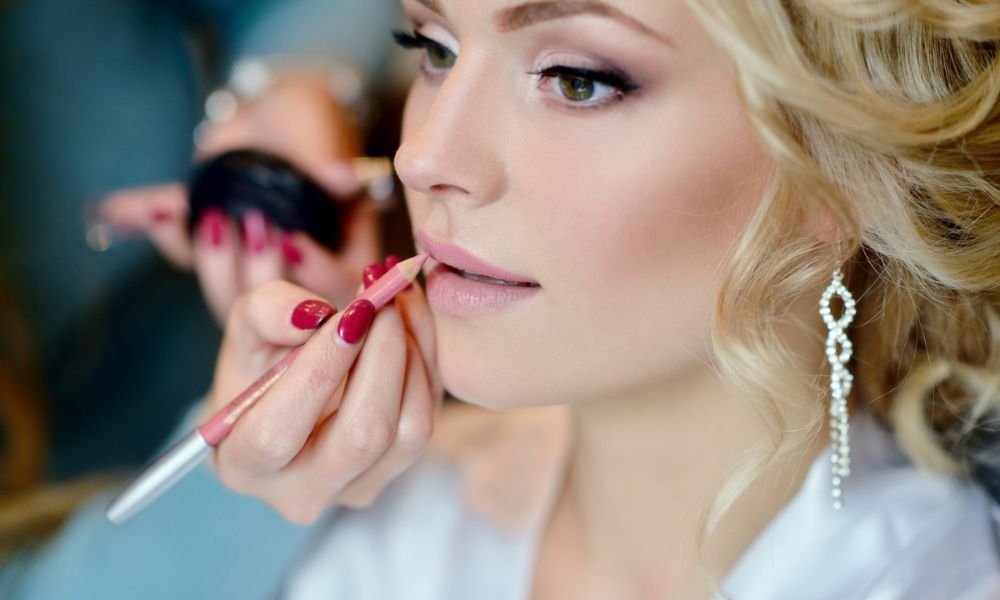
You have picked the perfect outfit, and then you stand in front of the mirror wondering which lipstick, blush, or eyeshadow belongs with it. The good news: pairing outfits and makeup that match does not require a professional stylist or a huge collection. It takes a few colour principles, an honest look at your own coloring, and a clear sense of the mood you want.
This guide explains how to coordinate makeup with what you wear, from everyday jeans-and-tee looks to evening dresses, using simple rules you can apply right away.
Why Matching Makeup to Your Outfit Matters
Your outfit and your makeup are read together as one picture. When they work in harmony, the whole look feels intentional and polished. When they compete, for example, with a loud neon top with equally bold eyeshadow and lip, the eye does not know where to land.
Matching does not mean making everything the same colour. It means choosing makeup that complements, echoes, or balances your clothes so one element leads and the others support it.
Start With Your Skin Tone and Undertone
Before you coordinate with clothing, make sure the makeup suits you. The same coral lipstick can look radiant on one person and washed out on another.
Find Your Undertone
Undertone is the subtle hue beneath your skin’s surface, and it stays the same even when your skin tans or flushes. A few common at-home checks:
- Vein check: Veins that look bluish or purple often suggest a cool undertone; greenish veins often suggest warm; a mix can suggest neutral.
- Jewellery check: If silver tends to flatter you more, you may lean cool; if gold looks better, you may lean warm; if both work, you may be neutral.
- White vs. cream test: Pure white may flatter cooler undertones, while off-white or cream may flatter warmer ones.
These checks are guides, not guarantees. Lighting and skin concerns can make them unreliable, so trying shades in natural daylight is the most dependable method.
Why Undertone Matters for Outfit Matching
A useful rule: pick makeup that flatters your undertone first, then choose the shade within that family that best coordinates with your outfit. For example, if you have a warm undertone and are wearing red, reach for a warm brick or tomato red rather than a blue-based cherry.
Three Easy Ways to Match Makeup to Clothes
Most successful looks follow one of three approaches. Choose the one that fits your outfit and your comfort level.
1. The Complementary Method (Contrast)
Colours opposite each other on the colour wheel make each other stand out. This is a classic way to make eyes pop.
- Green outfit: warm plum, wine, or copper tones on the eyes
- Blue outfit: peach, bronze, or warm gold shadows
- Purple outfit: golden, champagne, or olive shades
- Orange or rust outfit: teal or soft navy liner
Keep the contrast to one area, usually the eyes or the lips, so the look stays balanced.
2. The Analogous Method (Harmony)
Colours next to each other on the wheel blend softly. Think of a rose-pink blouse with a rosy blush and a soft berry lip. This approach looks cohesive and is hard to get wrong, which makes it a good starting point if you are new to colour matching.
3. The Neutral Method (Let the Outfit Lead)
When your clothes are bold, patterned, or heavily embellished, keep makeup quiet. Think soft taupe shadow, a sheer or nude-pink lip, and natural-looking blush. This lets your outfit be the focus without clashing.
Makeup by Outfit Colour (Quick-Reference Table)
Use this table as a starting point, then adjust for your undertone and comfort level.
| Outfit Colour | Eye Ideas | Lip Ideas | Blush Ideas |
|---|---|---|---|
| Black | Smoky charcoal, metallic bronze, or a classic winged liner | Red, berry, or deep nude | Rose or soft plum |
| White / Cream | Soft champagne, taupe, or peach | Coral, rose, or warm nude | Peachy pink |
| Navy | Warm bronze, copper, or soft gold | Coral, berry, or peachy nude | Soft peach or rose |
| Red | Neutral browns with defined lashes | Matching red or a sheer tint | Soft rose or neutral |
| Pink | Taupe, mauve, or soft brown | Rose, mauve, or berry | Pink or peachy pink |
| Green | Plum, wine, or bronze | Brick, terracotta, or berry | Warm peach or rose |
| Blue | Peach, gold, or soft bronze | Coral or warm pink | Peach or apricot |
| Yellow / Mustard | Brown, bronze, or soft purple | Warm nude, coral, or berry | Warm peach |
| Grey | Cool taupe, soft plum, or silver | Berry, rose, or mauve | Dusty rose |
| Denim | Neutral browns, bronze, or soft gold | Rosy nude or coral | Peach or warm pink |
Makeup by Neckline and Occasion
Everyday and Casual
For jeans, tees, and sweaters, keep it fresh: light base, a touch of blush, defined brows, mascara, and a tinted lip balm or soft lipstick. Choose one small accent, such as a coloured mascara or a rosy lip, that echoes a colour in your outfit.
Work and Professional
Neutral eyeshadow, a clean liner, and a satin or soft-matte lip in a muted tone read as polished. If your outfit includes a statement colour, pick one subtle echo, for example, a muted terracotta lip with a rust-coloured blazer.
Evening and Special Events
This is the time for drama, but pick a single focal point:
- Bold eyes: Pair smoky or glittery shadow with a soft nude or rose lip.
- Bold lips: Pair a red or berry lip with a minimal eye: neutral shadow, liner, and mascara.
Does the Neckline Affect Your Makeup?
It can influence the overall balance. A high neckline or collar draws attention up toward the face, so it supports a more expressive eye or lip. A low or open neckline spreads attention across the décolletage, so a softer face with a touch of shimmer or bronzer can look harmonious. This is a styling preference rather than a rule.
Makeup by Fabric and Style
Texture matters as much as colour:
- Satin, silk, and sequins: Their natural shine pairs well with a satin finish or a hint of highlighter, but avoid layering heavy glitter on top of sparkly clothing.
- Matte fabrics like cotton and wool: Soft-matte or velvet lip formulas feel cohesive.
- Leather: Works well with defined eyes or a bold lip for an edgy look.
- Lace and floral prints: A soft, romantic palette of rosy cheeks and a gentle lip keeps the look balanced.
- Bold prints: Choose one colour from the print and use it lightly in your makeup, or keep your face neutral.
Common Mistakes to Avoid
- Matching too literally. An exactly matching eyeshadow and dress can look dated. A shade in the same family often looks more refined.
- Going bold everywhere. Pick one focus, either eyes or lips, not both.
- Ignoring your undertone. A colour that fits the outfit but clashes with your skin will not look flattering.
- Skipping the daylight check. Indoor lighting can change how colours look. Check your makeup near a window before you leave.
- Forgetting the occasion. A dramatic evening look may feel out of place at a daytime brunch. Think about lighting, setting, and comfort.
- Overlooking the base. Even well-prepared skin makes any colour combination look better, so keep your skincare and foundation routine consistent.
Quick Tips for a Cohesive Look
- Build a small go-to palette: a neutral eyeshadow set, a rosy blush, a nude lip, and a statement lip colour.
- Use jewellery and accessories as a bridge. Gold or silver details can tie your makeup tone to your clothing.
- Try the look before the event. Test colours with the outfit in good light.
- Keep a mirror check routine. Step back from the mirror and look at the whole picture, not just your face.
- Prioritise comfort. If you feel confident in a look, it will read as confident.
- Check ingredients and patch test new products if you have sensitive skin or allergies. The American Academy of Dermatology and the U.S. Food and Drug Administration offer general guidance on cosmetic safety and reactions.
FAQ “s
1. Should my lipstick match my outfit?
Not necessarily. It can match, complement, or simply stay neutral. A shade in the same colour family as your outfit, chosen to suit your undertone, usually looks more modern than an exact match.
2. What makeup goes best with a black outfit?
Black is versatile. Classic red lips, smoky eyes, berry tones, or a soft nude all work. Choose based on the mood you want and keep one focal point.
3. Can I wear colourful eyeshadow with a colourful outfit?
Yes, if you balance it. Use the complementary or analogous method, or keep one element (eyes or lips) bold and the rest soft.
4. How do I choose makeup for a patterned outfit?
Pick one colour from the pattern to echo in your makeup, or go neutral so the print stays the focus.
5. Does the colour of my outfit change how my skin looks?
Clothing near the face can reflect colour onto your skin and change how your complexion appears. Some people find certain colours make their skin look brighter, and others find it looks duller, which is why many people prefer colours that suit their undertone near the face.
6. What blush shade works with most outfits?
Soft peach, rose, and warm pink are flexible choices. Pick based on your undertone and how bold you want your look to feel.
7. Do I need different makeup for day and night?
Not always, but lighting changes how makeup appears. Many people deepen the eye colour or lip shade for evening and keep a lighter, fresher finish for daytime.
Conclusion
Creating outfits and makeup that match comes down to a few reliable ideas: know your undertone, choose a method (complement, harmonise, or keep neutral), pick one focal point, and let texture and occasion guide your finish. Start with the quick-reference table, experiment in natural light, and adjust until the look feels like you. With a little practice, coordinating your makeup with your wardrobe becomes second nature..
